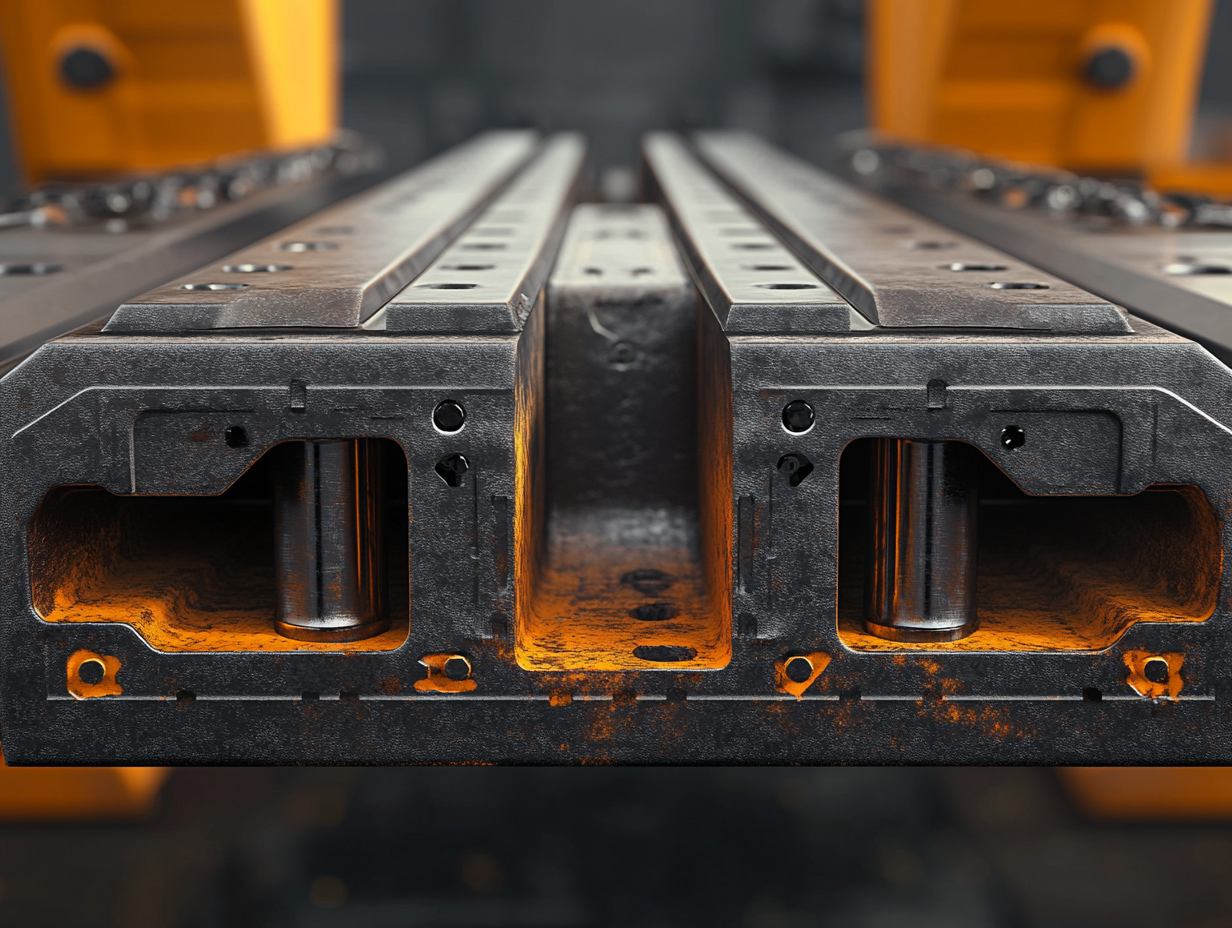
In the world of crane construction, especially in mining and heavy industry, welded joints are some of the most critical stress points. These joints often endure repetitive dynamic loads, vibration, and environmental fatigue.


In the world of crane construction, especially in mining and heavy industry, welded joints are some of the most critical stress points. These joints often endure repetitive dynamic loads, vibration, and environmental fatigue.
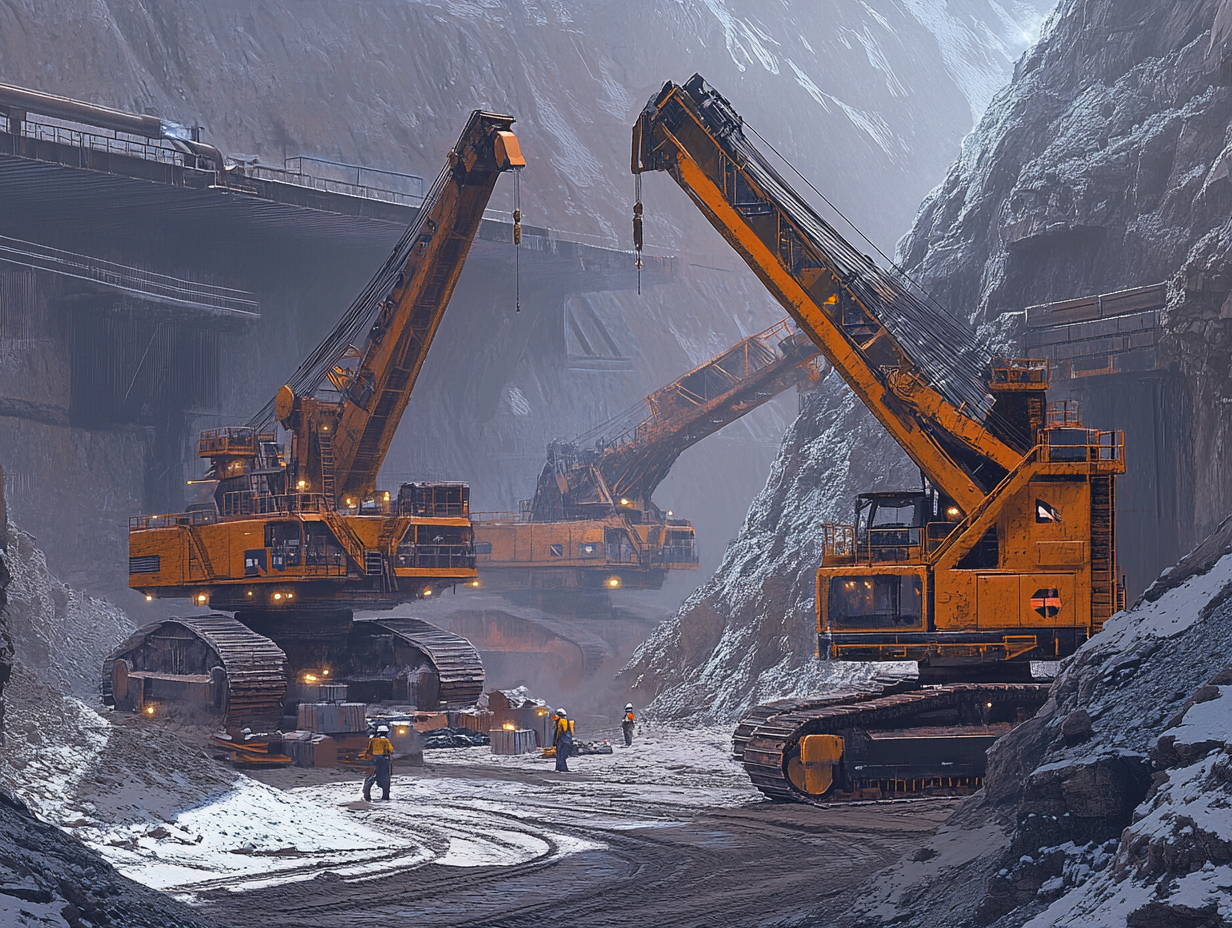
Selecting the correct crane for a mining or industrial project isn’t just about lifting capacity — it’s about matching the machine to the expected usage intensity. This is where the concepts of load groups (B classes) and duty classes (H classes) come into play. These classifications help engineers and decision-makers choose cranes that won’t just work — they’ll last.
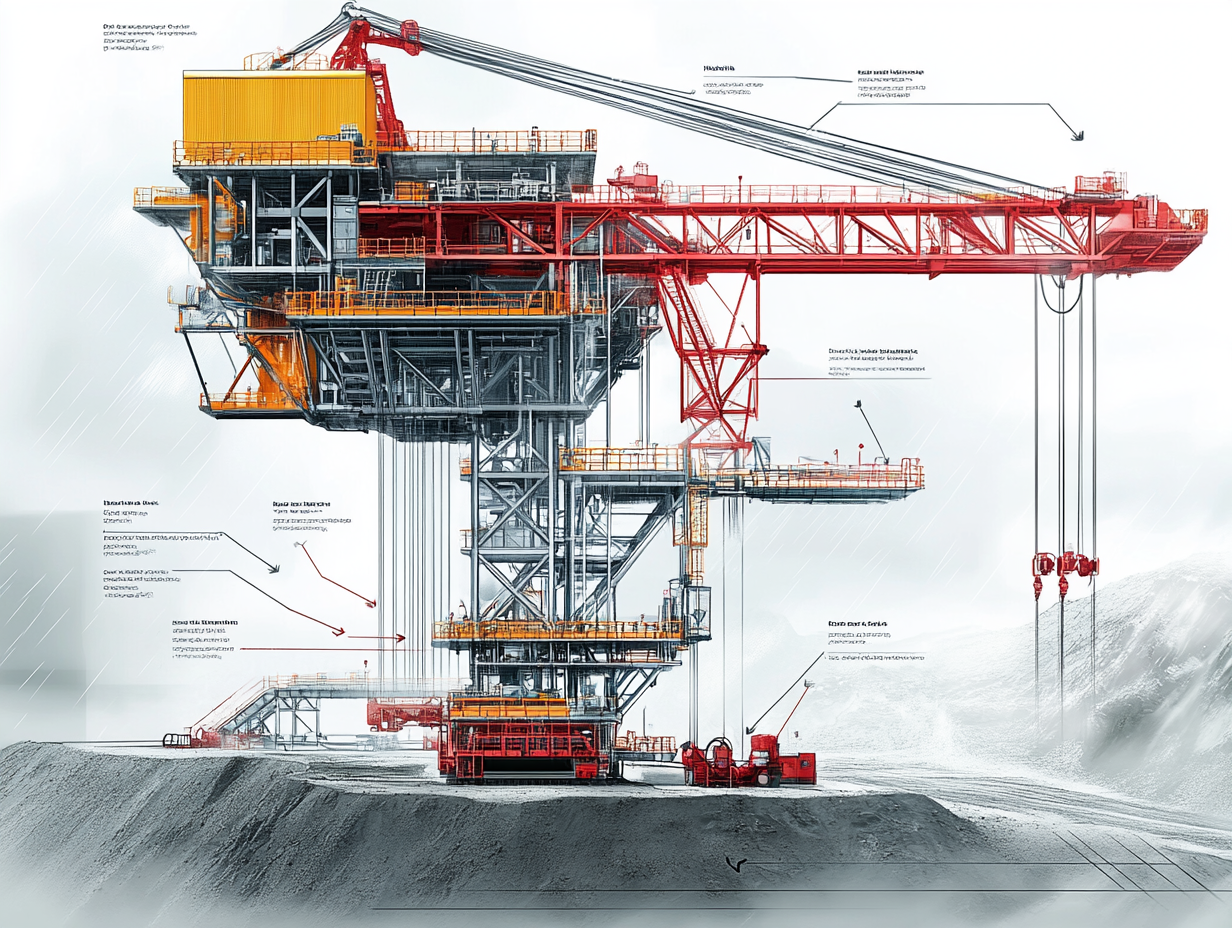
In the mining and heavy machinery industries, safety isn’t optional — it’s engineered into every bolt, beam, and weld. One of the most critical concepts in structural crane design is the use of safety factors. These mathematical buffers ensure that structures withstand not only known loads but also unexpected forces, imperfections, and usage variations. In essence, safety factors protect lives and investments.
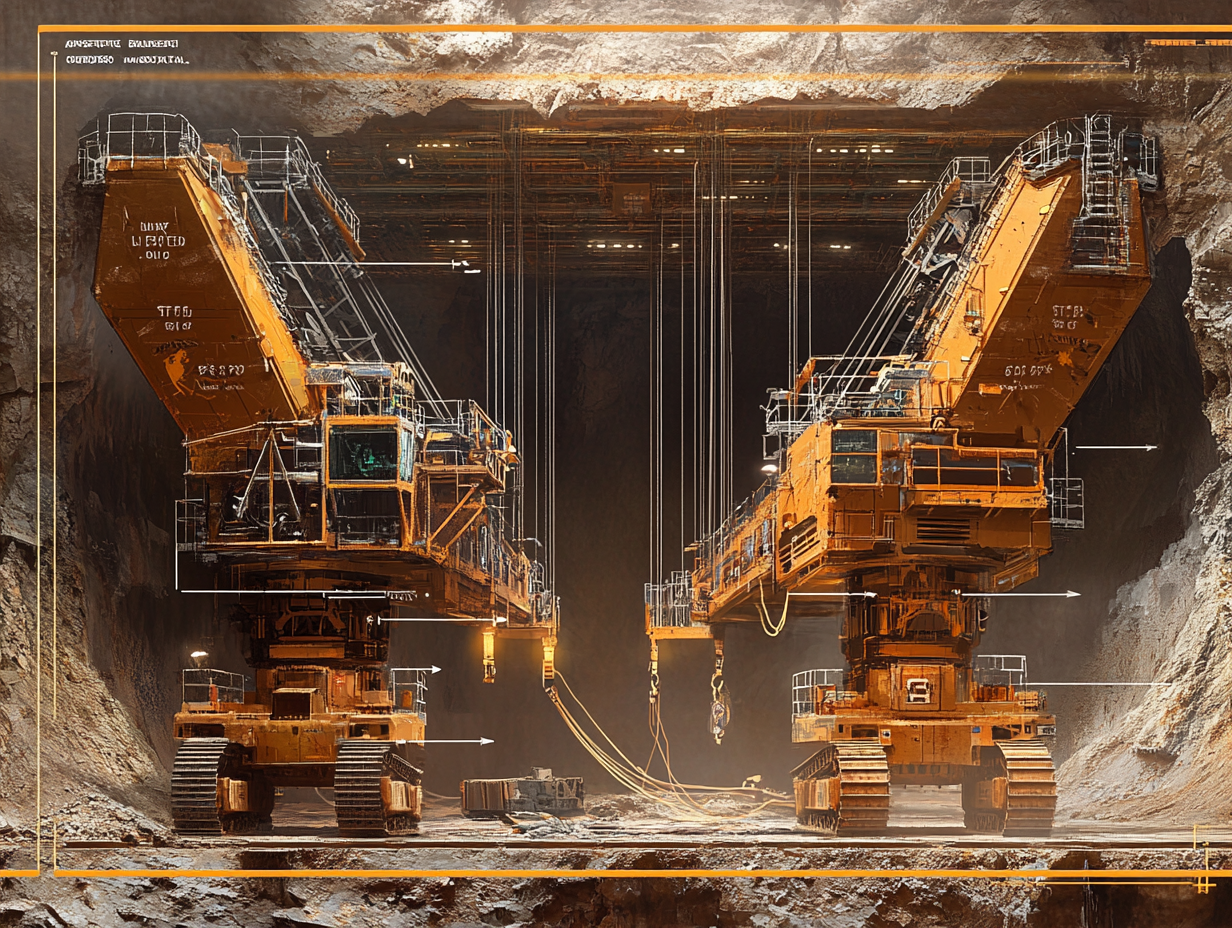
In crane design — especially in heavy industries like mining and infrastructure — selecting the right steel is crucial. Two of the most commonly used structural steels are St37-2 and St52-3. Each has unique mechanical properties that make it suitable for different applications, environments, and load conditions. Understanding their differences is essential for engineers, designers, and project managers aiming to build safe, durable, and cost-effective cranes.