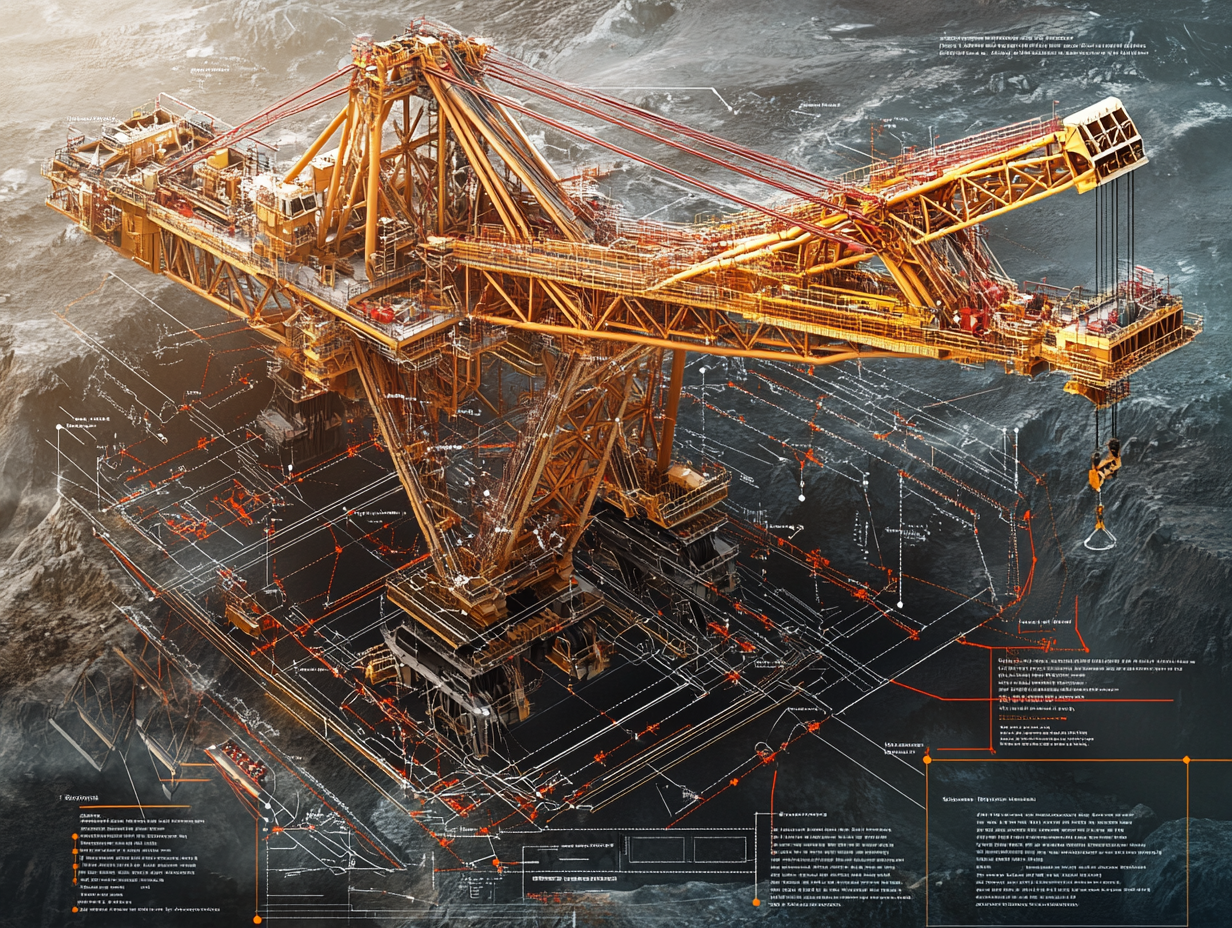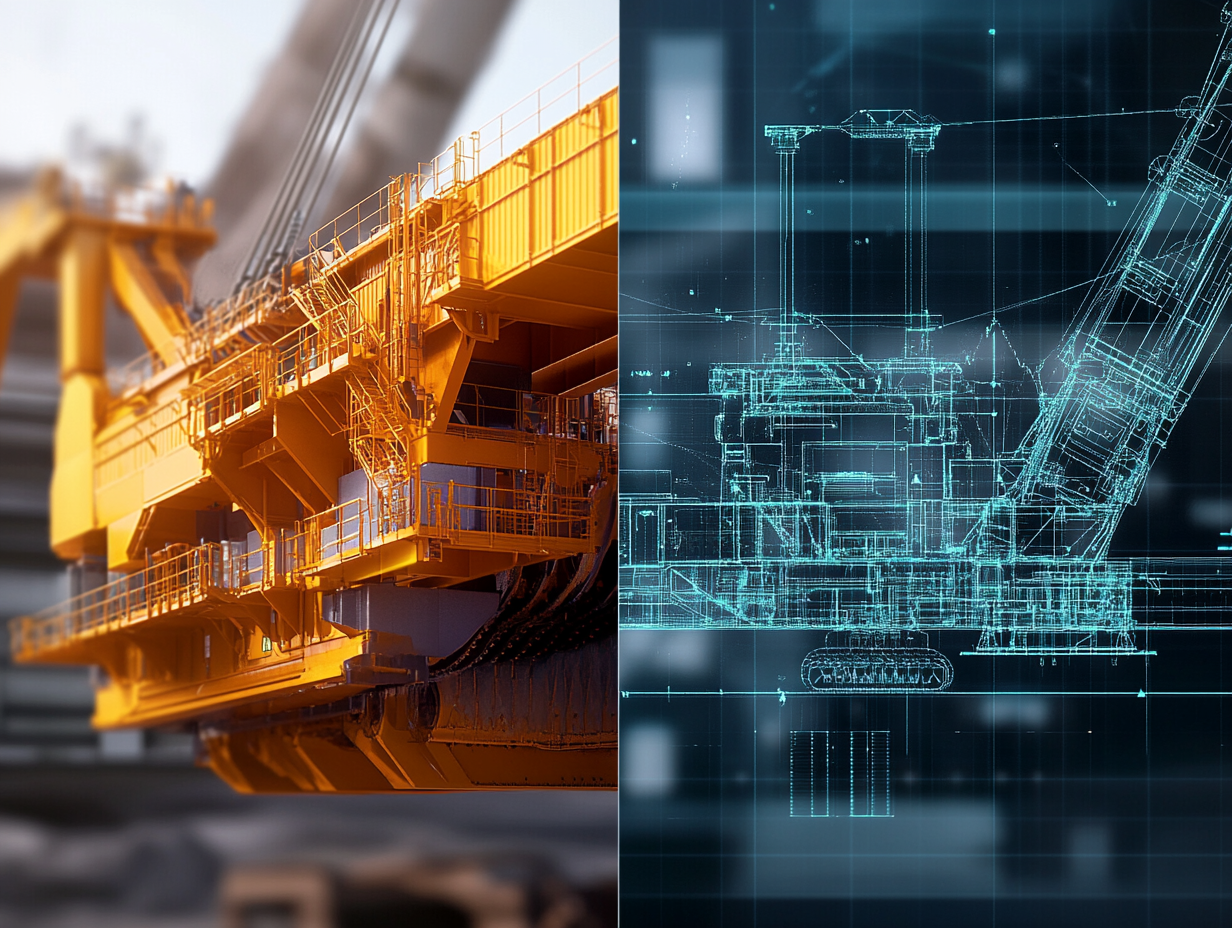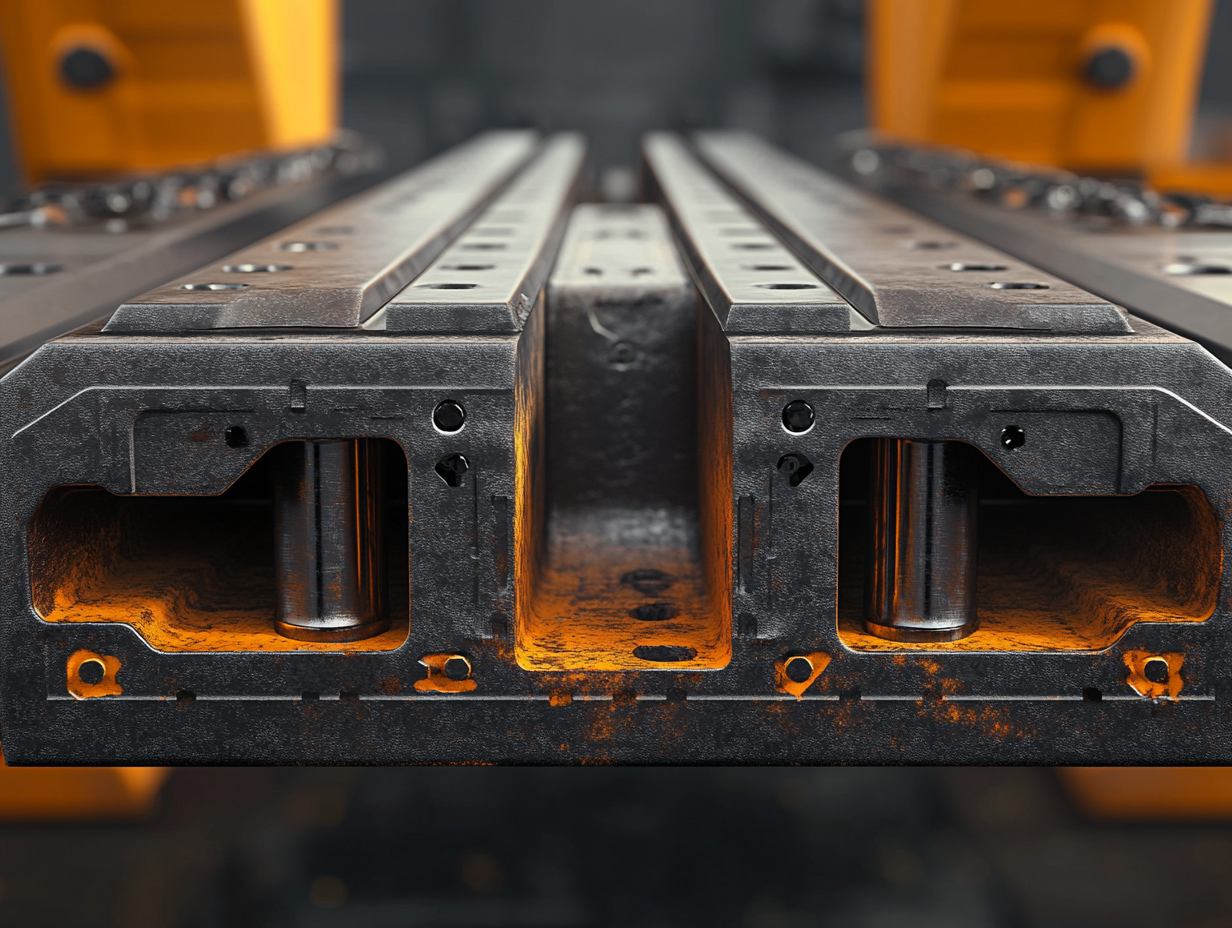

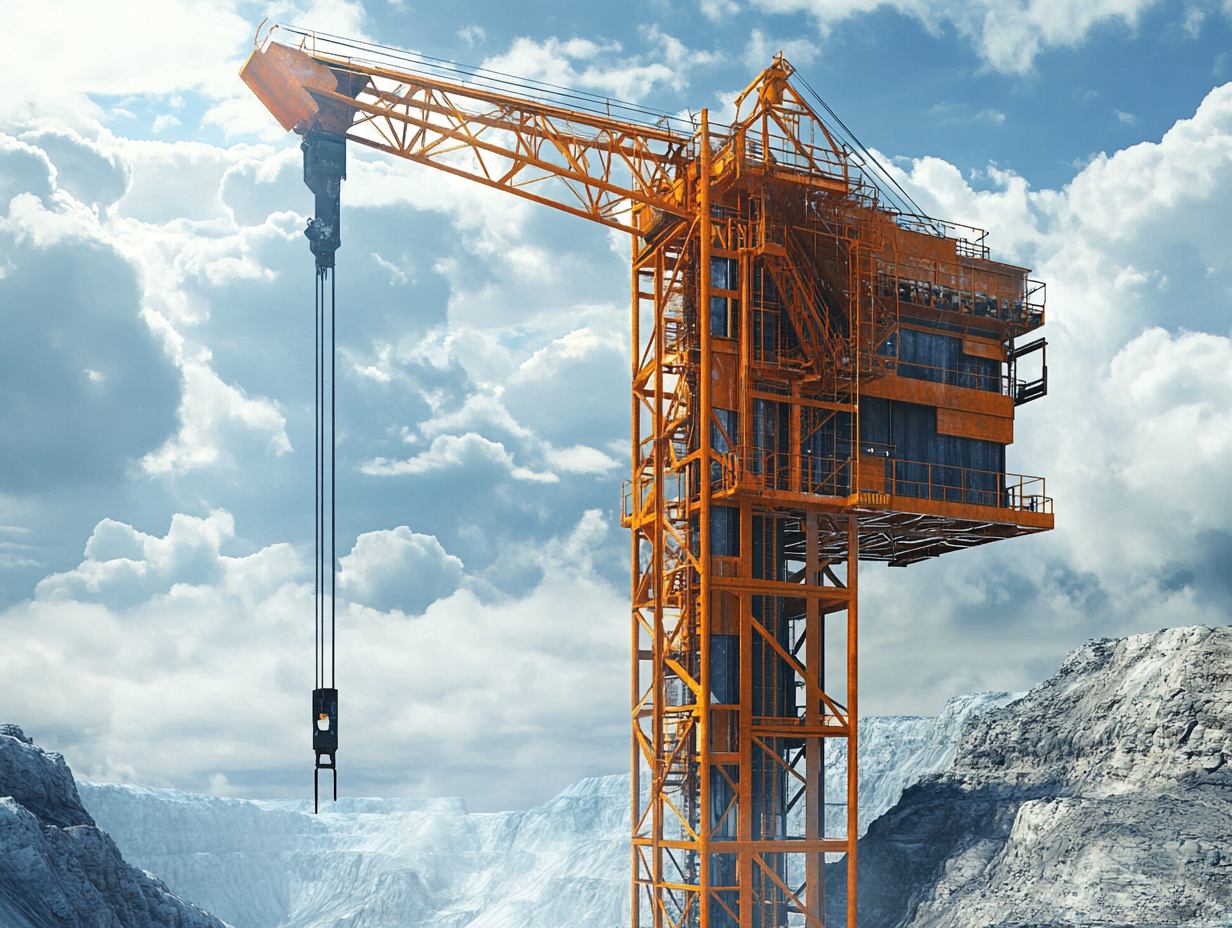
When designing steel crane structures especially those operating outdoors in mining, ports, and construction sites wind stability is a critical engineering concern. Even structures that are strong under static loads can fail due to lateral instability when subjected to wind, gusts, or pressure surges.
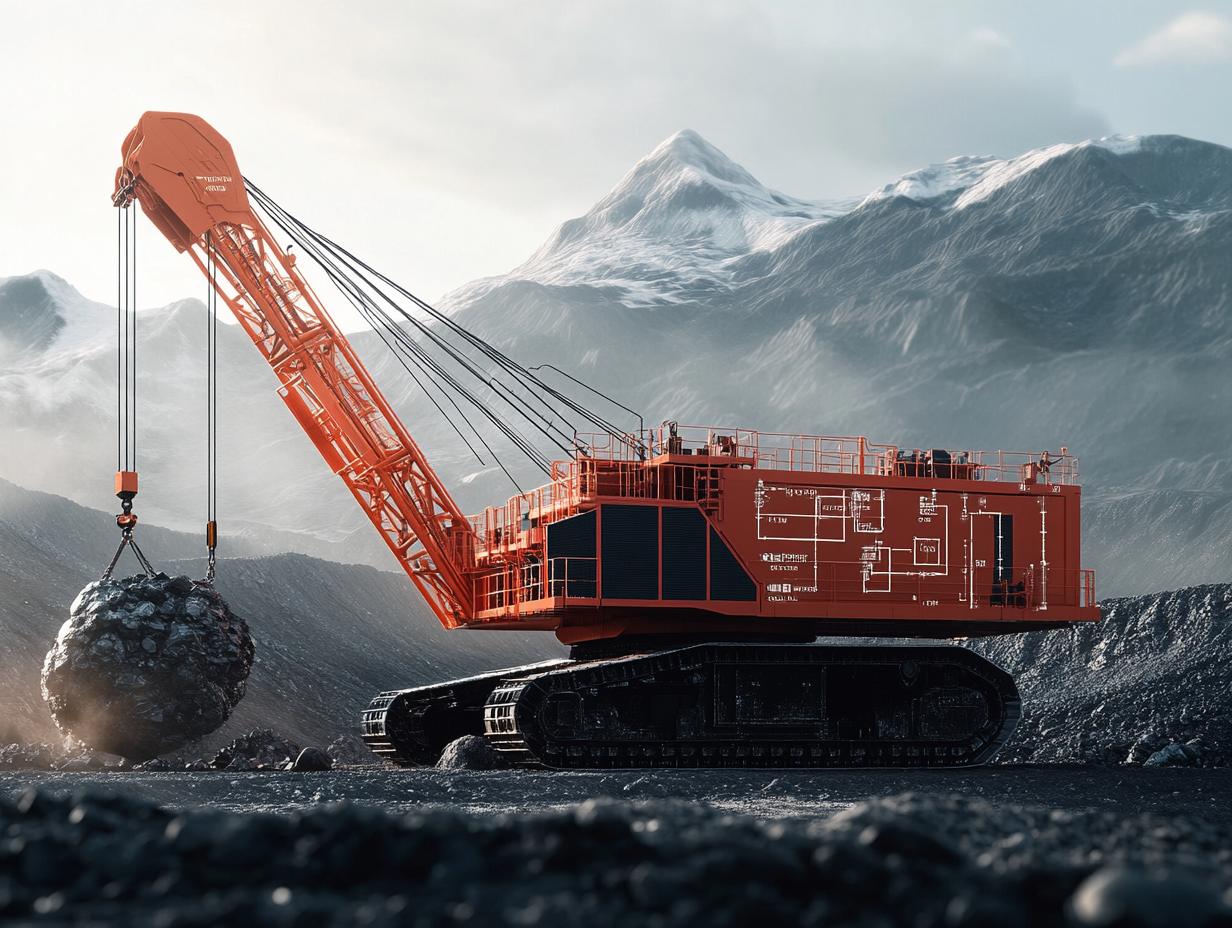
Behind every safe and reliable crane structure lies a deep layer of engineering logic — and at the heart of this logic are load group coefficients and hoisting load coefficients. These factors help engineers account for real-world operational conditions when calculating stresses, material fatigue, and safety margins.
When it comes to lifting heavy loads in mining, manufacturing, and port operations, equipment failure is not an option. That’s why industry professionals rely on rigorous standards like FEM (Fédération Européenne de la Manutention) to guide the design, classification, and load analysis of cranes.
In structural engineering, especially for cranes used in mining, knowing how a structure reacts to forces is the foundation of safe and efficient design. Two primary forms of load analysis are static and dynamic strength calculations — and they differ not just in theory, but in real-world performance, safety margins, and material behavior.
Understanding this distinction is critical when designing cranes, hoists, and material handling systems that operate in environments like open-pit mines, quarries, and coke plants, where loads vary constantly.
In the world of crane construction, especially in mining and heavy industry, welded joints are some of the most critical stress points. These joints often endure repetitive dynamic loads, vibration, and environmental fatigue.